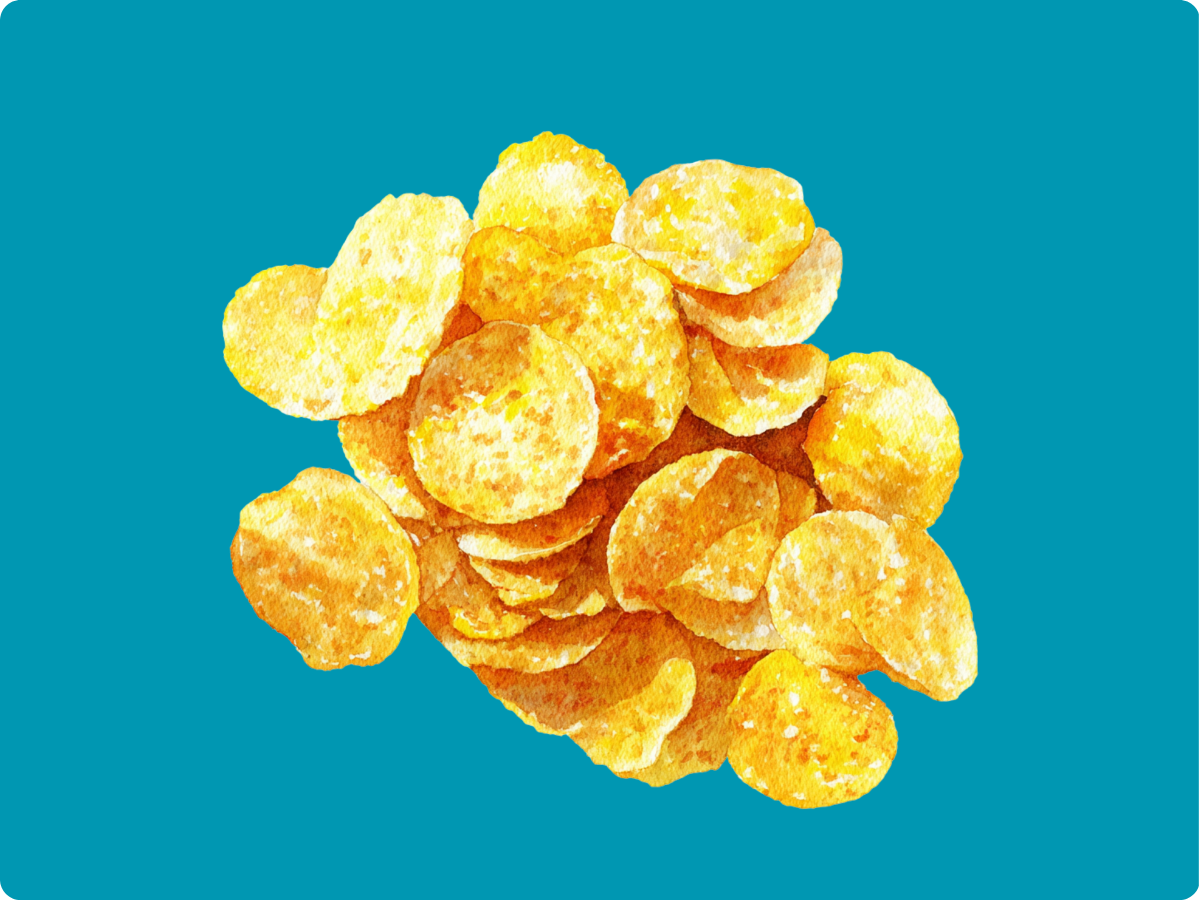
Snack Food
Specific highlights
Types of Snack Food Extruders
The primary types of snack food extruders are classified by the number of screws and the processing temperature.
Single-Screw Extruders:
These are simpler in construction, generally operating without external heating (using frictional heat).

Types of Snack Food Extruders
The primary types of snack food extruders are classified by the number of screws and the processing temperature.
Single-Screw Extruders:
These are simpler in construction, generally operating without external heating (using frictional heat).

Technical data
Types of Snack Food Extruders
The primary types of snack food extruders are classified by the number of screws and the processing temperature.
Single-Screw Extruders:
These are simpler in construction, generally operating without external heating (using frictional heat).
Best for: Producing simple shapes like basic corn puffs, sticks, and general puffed cereals from homogeneous materials.
Key Consideration: They are less expensive and easier to operate but offer less control over product consistency and are less capable of handling complex ingredient mixtures.
Twin-Screw Extruders:
These machines feature two intermeshing screws that provide superior mixing, precise control over temperature and pressure, and a self-cleaning mechanism.
- Best for: A wide variety of complex snacks, including filled snacks, specialty shapes (rings, balls, chips), and products requiring precise control over texture and moisture (e.g., pet food, meat analogs).
- Key Consideration: They are more versatile and efficient but also more complex and significantly more expensive than single-screw machines.
- Hot vs. Cold Extrusion:
- Hot Extrusion: Involves high temperatures and pressures, which cooks the product and causes expansion (puffing) upon exiting the die. This is the common method for most crispy, airy snack foods.
Performance data
Related industries
Explore industries related to this category.