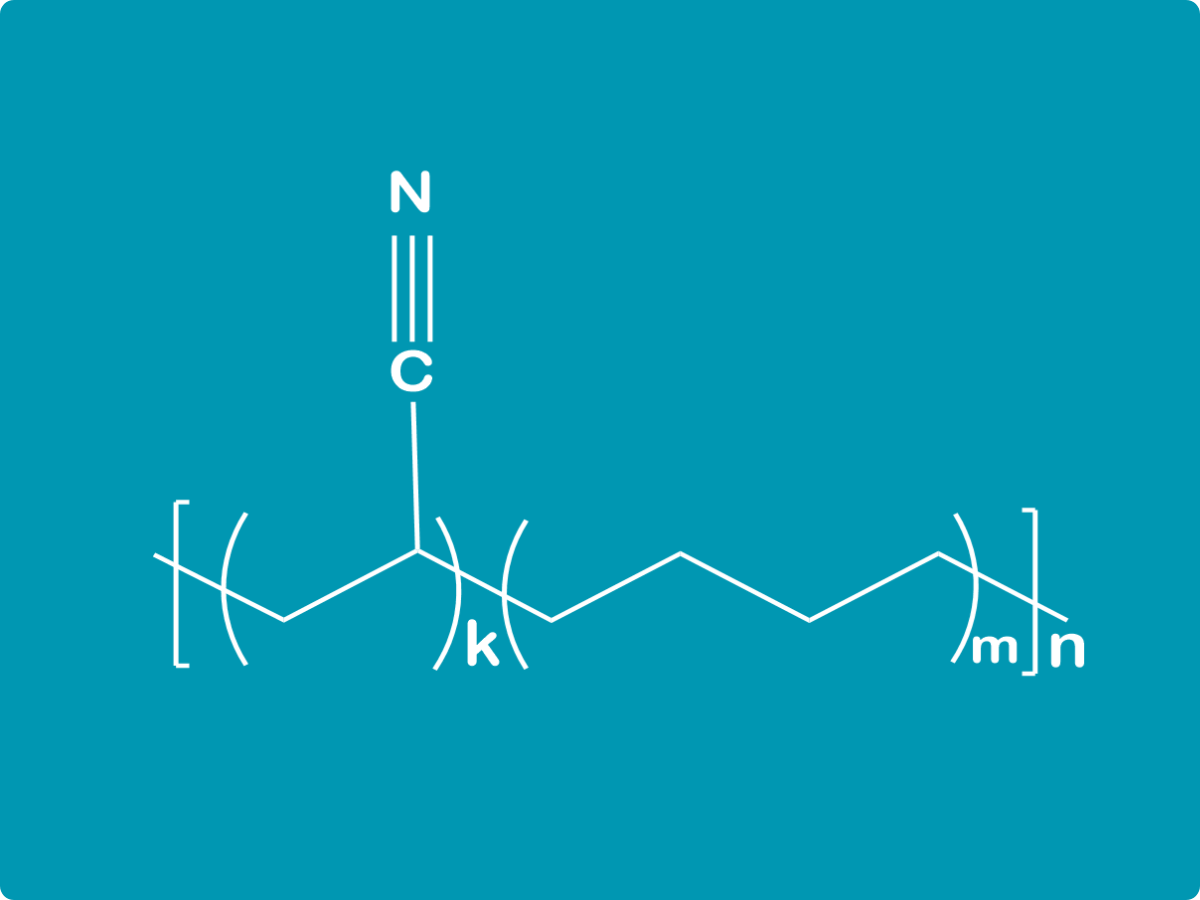
HNBR-Hydrogenated Nitrile Butadiene Rubber
Hydrogenated Nitrile Butadiene Rubber (HNBR), also known as Highly Saturated Nitrile (HSN), is a high-performance synthetic elastomer derived from nitrile rubber (NBR). By saturating the carbon-carbon double bonds of NBR with hydrogen, the material achieves significantly enhanced resistance to heat, chemicals, and oxidation while maintaining oil resistance.
Technical data
HNBR Manufacturing Process The production of HNBR typically follows a four-step catalytic process in a solution: Catalyst and Hydrogen Introduction: The solution is moved into a high-pressure reactor, such as an autoclave. A specialized catalyst (typically precious metals like rhodium, ruthenium, or palladium) and hydrogen gas are introduced to the mixture. Selective Hydrogenation Reaction: Under high pressure (0.1 to 15 MPa) and heat (80°C to 160°C), hydrogen atoms bond with the reactive double bonds in the butadiene segments. This converts them into more stable single bonds without affecting the nitrile groups that provide oil resistance. Purification and Recovery: Once the desired level of saturation is reached, the catalyst is removed through filtration or centrifuging. The HNBR is then isolated from the solvent using a coagulant like methanol, followed by washing and drying.
Related industries
Explore industries related to this category.