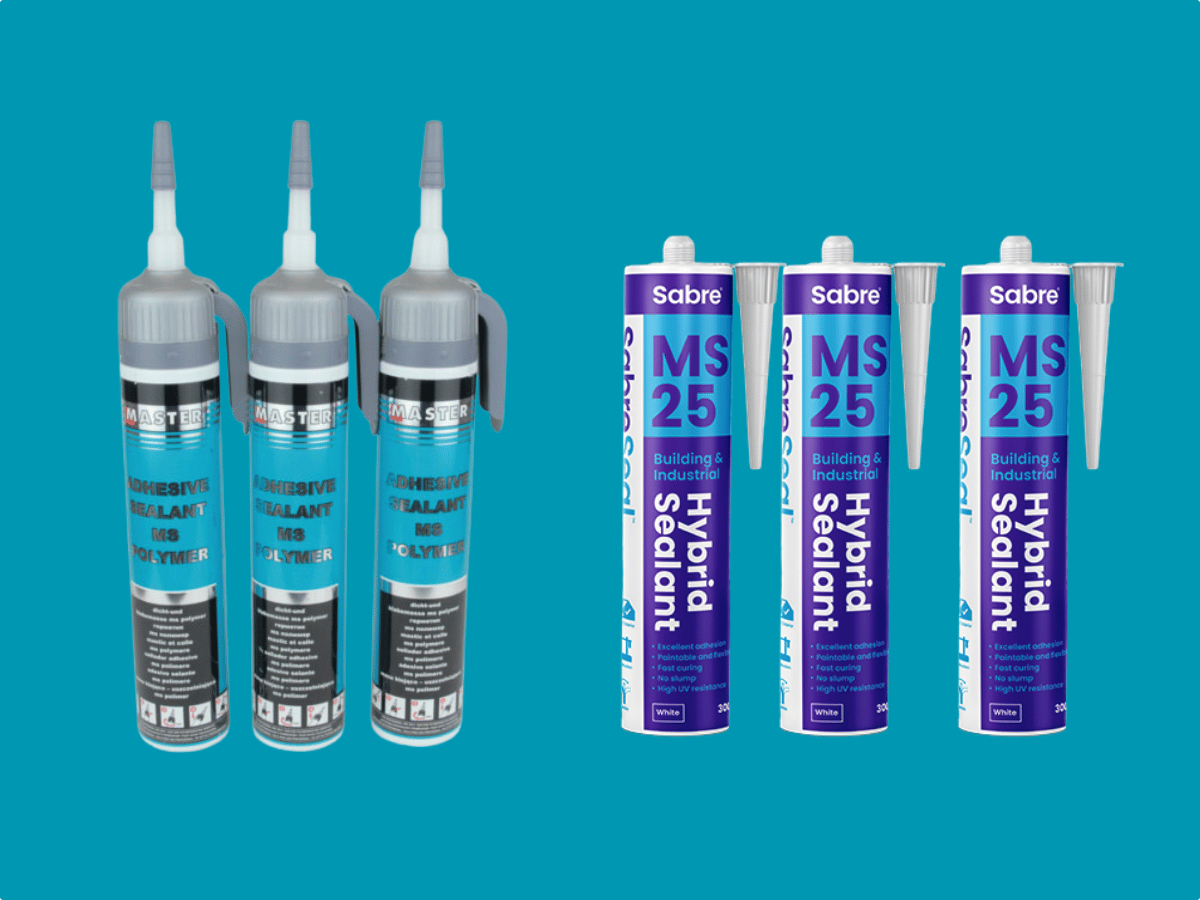
MS polymer
MS Polymer (Modified Silicone) is a premium, versatile, moisture-curing sealant and adhesive used in construction and industry. It combines the best properties of silicone and polyurethane, offering superior adhesion to most surfaces (even wet), high flexibility, durability, UV resistance, and paintability. Key benefits include being free of solvents, isocyanates, and odor, making it safe and environmentally friendly
Specific highlights
SUNKAIER delivers complete turnkey projects for the chemical and polymer sectors, specifically offering process technology and critical equipment for the continuous production of polymers.
- Engineering & Design: Detailed design of chemical processes, including process flow schemes, equipment specification, and integration of process control systems.
- Custom Manufacturing: Development of tailored solutions, including skid-mounted systems and full production lines specifically for high-viscosity and reactive polymer applications.
- Project Implementation: Oversight of construction, supervision of equipment installation, and conducting pre-commissioning checks.
- Commissioning & Start-up: On-site assistance during the initial operation phase to ensure the plant meets optimized performance standards.
Chemical
Technical data
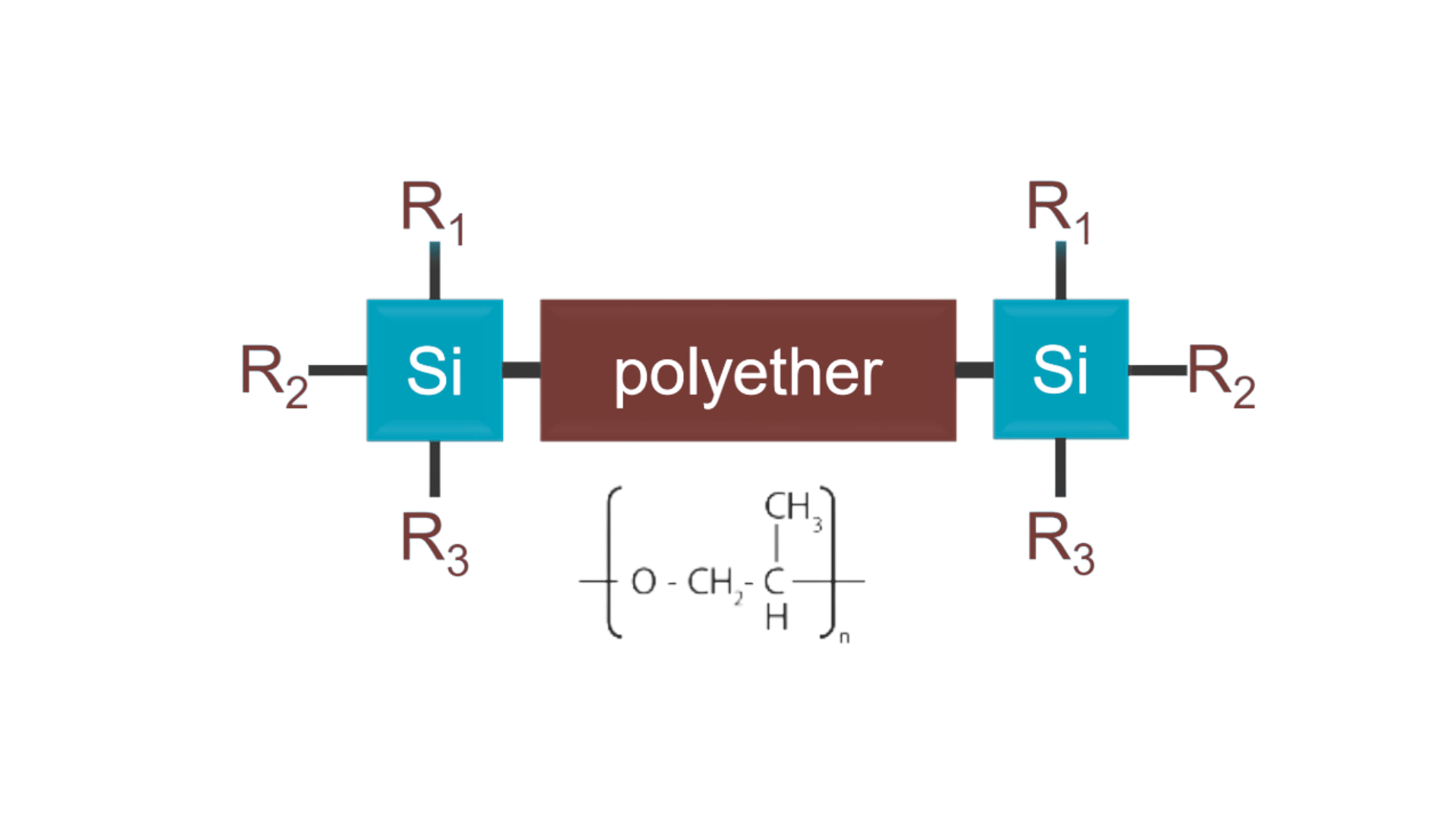
The production of MS Polymer (Modified Silane) sealants is a multi-stage industrial process that transforms a polyether backbone into a high-performance, moisture-curing hybrid material.
1. Polymer Synthesis (Base Resin):
The process begins with the creation of the silyl-terminated polyether (STPE) resin, which serves as the "backbone" of the sealant.
- Backbone Creation: High molecular weight polypropylene oxide (PPG) is typically used as the starting material.
- End-Capping: The polyether chain is "capped" with reactive silane groups, often through a hydrosilylation reaction where a hydrogen-containing silane reacts with allyl-terminated polyether in the presence of a platinum catalyst.
- Result: This creates a polymer that is stable until exposed to moisture, eliminating the need for hazardous isocyanates found in traditional polyurethanes.
2. Formulation and Mixing
Once the base resin is ready, it is compounded with additives in a high-shear vacuum mixer to ensure a homogeneous, air-free paste.
- Dehydration (Critical Step): Because MS polymers react with moisture, all fillers (like calcium carbonate) and pigments must be pre-dried (often at 120°C) or chemically dehydrated using moisture scavengers like vinyltrimethoxysilane to prevent premature curing during production.
- Vacuum Mixing: Raw materials are blended under vacuum to maintain moisture levels below 800 ppm.
- Additive Incorporation: Plasticizers: Added for flexibility and rheology control. Adhesion Promoters: Aminosilanes are added to enhance bonding to various substrates. Catalysts: Tin or amine compounds are introduced last to control the speed of the final curing reaction.
3. Packaging and Quality Control
The finished sealant is a "single-component" product that must be protected from the environment until use.
- Discharging: The uniform, thixotropic paste is discharged into air-tight cartridges, "sausages" (foil packs), or drums.
- Quality Inspection: Every batch is tested for surface dry time, tensile strength, and elongation at break to ensure consistency.
4. Application Curing (End-User Process)
The "process" concludes when the user applies the sealant.
- Moisture Activation: Upon exposure to ambient humidity, the methoxysilane groups undergo hydrolysis to form silanol, which then condenses to form a 3D siloxane network.
- Final State: This chemical crosslinking transforms the liquid paste into a permanently elastic solid.
Related industries
Explore industries related to this category.