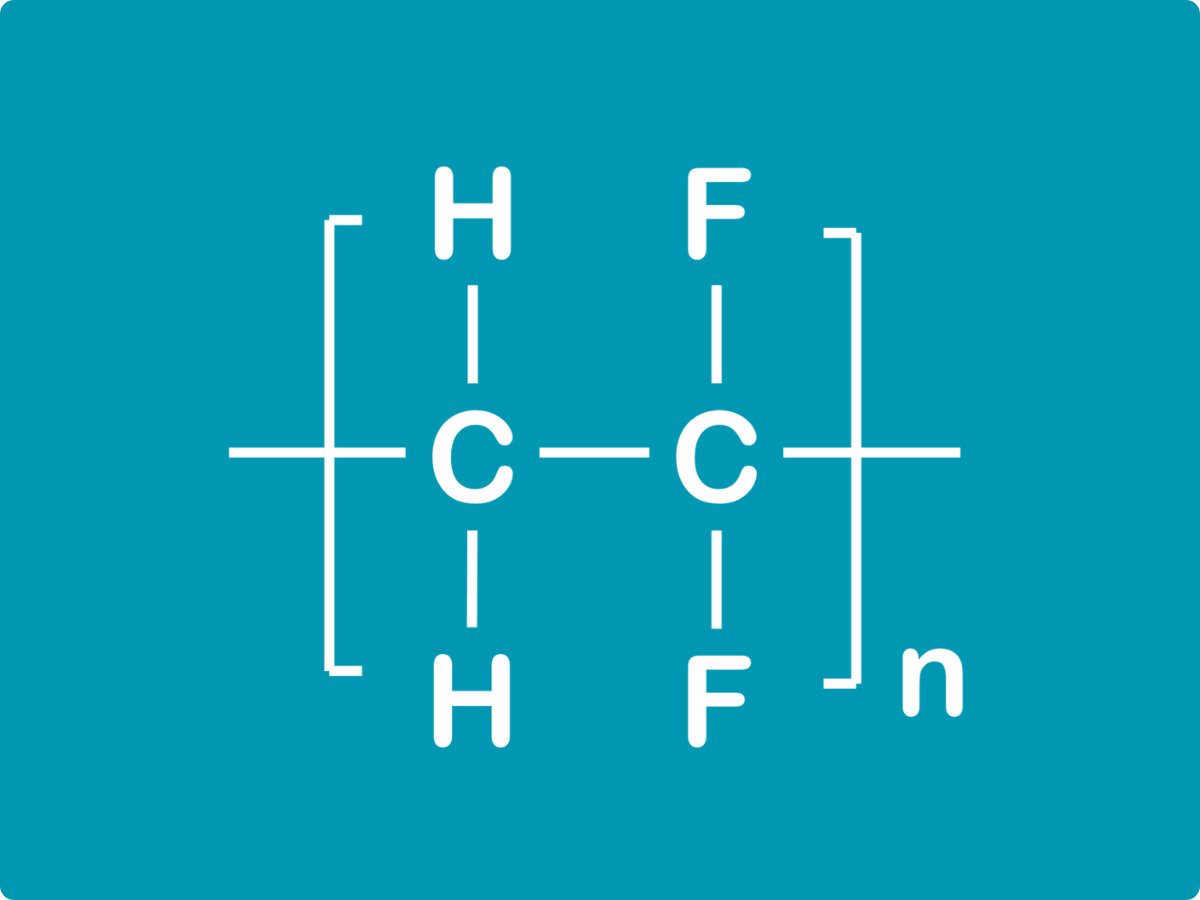
PVDF
Chemical
Technical data
1. Process Overview & Key Steps
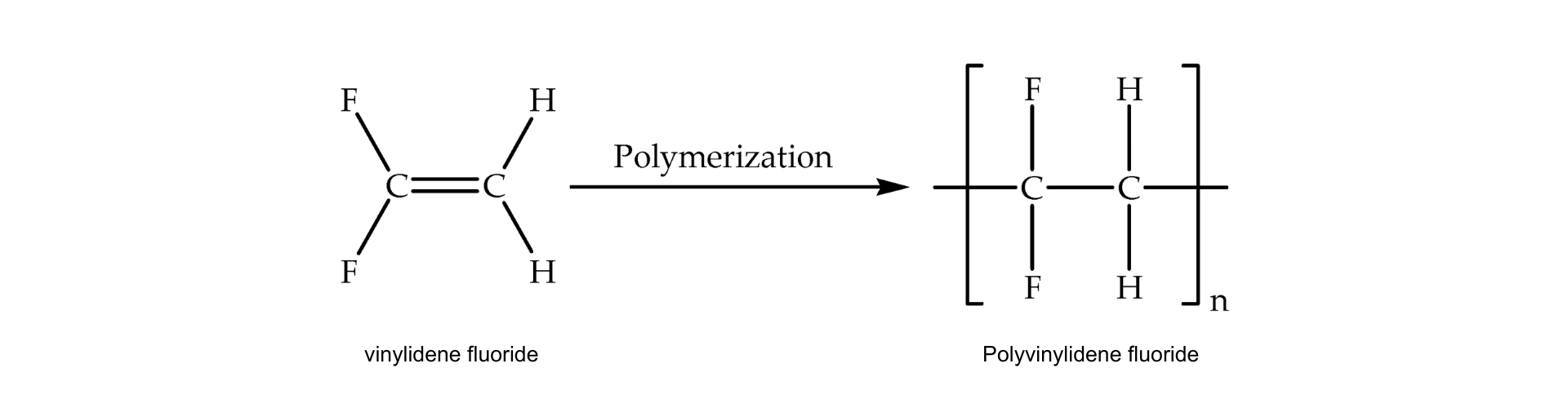
The synthesis is typically conducted in a semi-batch high-pressure stirred tank reactor (STC) to ensure safety and consistent product quality.
- Reactor Charging: The pressure vessel is filled with deionized water, surfactants (typically fluorinated types like PFOA or perfluorononanoic acid), and paraffin wax.
- Deaeration & Pressurization: Oxygen is removed (deaerated), and the reactor is heated to 30°C–130°C. VDF gas is introduced until the internal pressure reaches 30–120 bar.
- Initiation: A water-soluble initiator, such as potassium persulfate (KPS) or ammonium persulfate (APS), is added to generate free radicals.
- Propagation & Pressure Control: As polymerization proceeds, the monomer is consumed, causing a pressure drop. Fresh VDF is continuously fed into the reactor to maintain a constant pressure.
- Termination & Degassing: Once the target polymer volume is reached, monomer feed stops. The reactor is cooled, and unreacted VDF is degassed for recovery.
2. Crucial Process Parameters
++
Typical Value / Type
Function
Surfactants
Fluorinated acid salts (e.g., PFOA)
Stabilize particles and prevent radical-scavenging.
Paraffin Wax
0–6 g/L
Prevents the latex from sticking to reactor walls (anti-fouling).
Agitation
400–650 RPM
Critical for gas-liquid mass transfer; higher speeds increase the reaction rate.
Chain Transfer Agents
Ethyl acetate, HFA161
Regulate molecular weight and its distribution.
3. Final Product Recovery (Latex Finishing)
The resulting PVDF latex contains fine spheres (~0.25 µm) dispersed in water.
Coagulation: The latex is subjected to mechanical shear and air to destabilize the emulsion, forming an "aerated cream".
- Washing: The cream is washed with deionized water to remove residual surfactants and salts.
Drying & Agglomeration: The material is spray-dried into a fine powder (agglomerates of 2–5 µm) or extruded into pellets for melt processing.
application
Polyvinylidene fluoride (PVDF) is a versatile high-performance thermoplastic used across industries due to its exceptional chemical resistance, thermal stability, and unique electroactive properties.
1. Energy & Battery Technology
PVDF is a critical material in the global transition to electric vehicles (EVs).
- Electrode Binder: It is the industry-standard binder for lithium-ion battery cathodes, ensuring strong adhesion between active materials (like graphite or ) and the metal current collector.
- Battery Separators: PVDF-coated membranes act as physical barriers between anodes and cathodes, preventing short circuits while allowing lithium-ion flow.
- Photovoltaics: It is used as a weather-resistant back sheet for solar panels to protect solar cells from UV radiation and moisture.
2. Filtration & Water Treatment
PVDF is one of the most widely used materials for ultrafiltration (UF) and microfiltration membranes.
- Wastewater Treatment: Its resistance to aggressive cleaning chemicals (acids/bases) makes it ideal for treating industrial sewage and seawater desalination.
- Biotechnology: In life sciences, PVDF membranes are essential for Western blotting to immobilize proteins and for sterile filtration of medications.
3. Chemical & Industrial Processing
Due to its "inert" nature, PVDF replaces metals in highly corrosive environments.
- Piping Systems: Used for transporting ultrapure water (UPW) in the semiconductor industry and for handling hot acids in nuclear waste management.
- Protective Coatings: PVDF-based paints (e.g., Kynar 500®) are applied to the exteriors of iconic buildings like Taipei 101 for extreme weather and color retention.
4. Sensing & Medical Applications
The beta-crystalline phase of PVDF enables unique electrical responses.
- Piezoelectric Sensors: PVDF films convert mechanical stress into electricity, used in tactile sensors, ultrasound transducers, and even cosmic dust counters on space probes.
- Biomedical Devices: Its biocompatibility allows for use in surgical sutures, vascular grafts, and orthopedic implants.
Related industries
Explore industries related to this category.