Magnetic-drive hydrogenation
SUNKAIER supplied a complete high-pressure, magnetically sealed hydrogenation reactor system to a petrochemical customer.
Article published on Sunday, April 5, 2026.
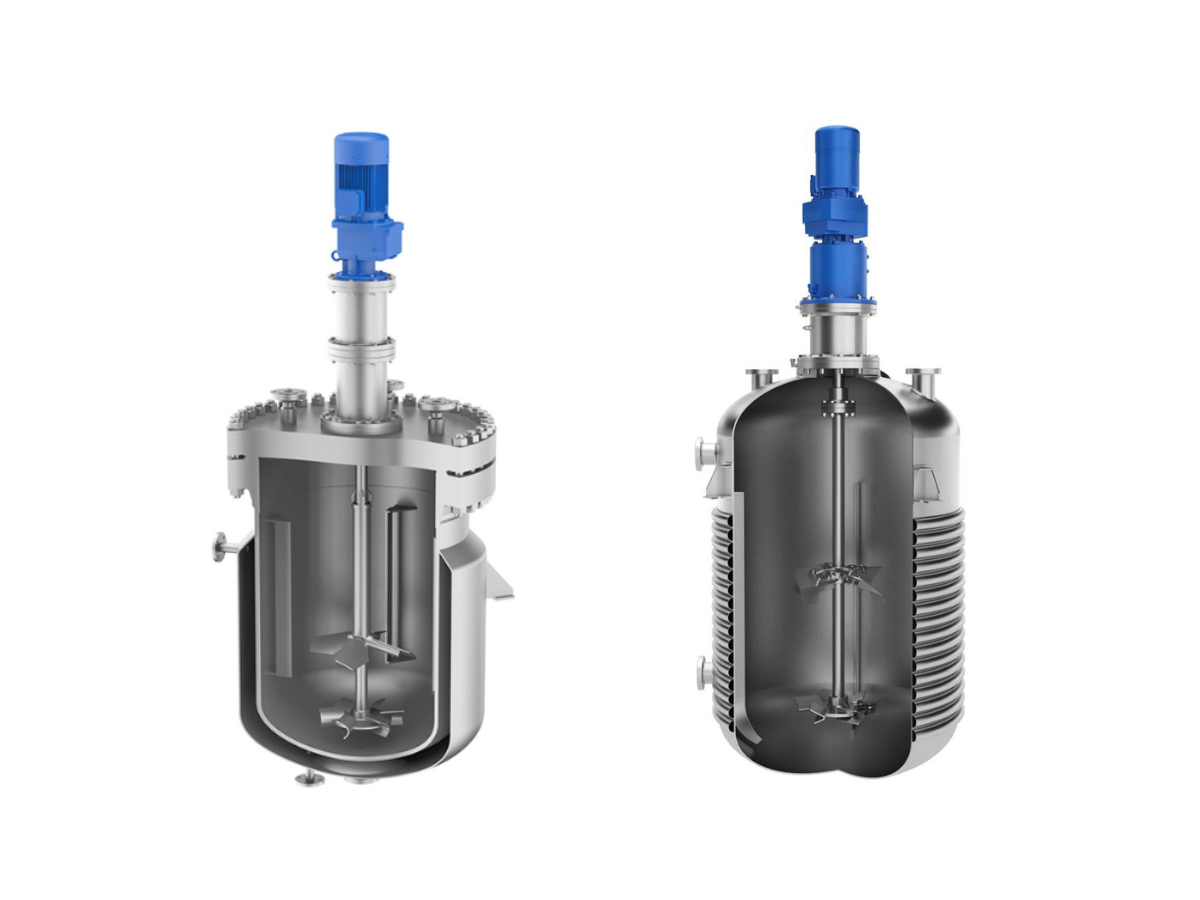
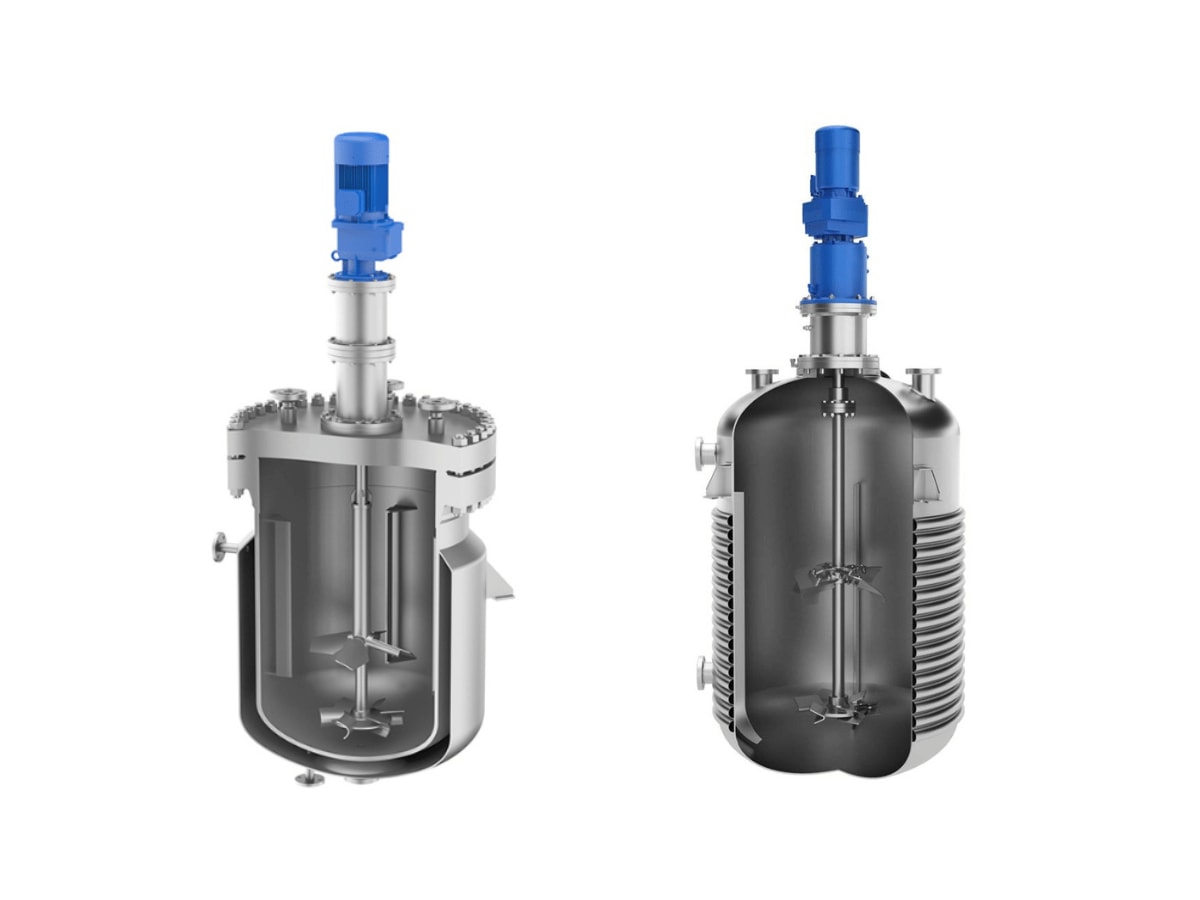
A magnetic-drive reactor system
SUNKAIER supplied a complete high-pressure, magnetically sealed hydrogenation reactor system to a petrochemical customer.
The published article describes the following design considerations for this type of equipment.
Design considerations
- Magnetic coupling: torque is transmitted across a static containment boundary, avoiding a rotating shaft penetration through the vessel seal. This is particularly relevant when handling hydrogen and other hazardous media.
- Gas–liquid–solid mixing: self-inducing impellers draw gas into the liquid and disperse it around the material and catalyst. The mixing arrangement is selected for the reaction duty.
- Materials: wetted parts may use 316L stainless steel or corrosion-resistant alloys such as Hastelloy, titanium or zirconium, depending on the process medium.
- Instrumentation and control: the system can incorporate PLC control, temperature and pressure measurement, speed control and process recording. Electrical equipment must match the specified hazardous-area requirements.
Reference configurations
The ranges below reproduce the reference configurations in the original article. They are not the specification of the supplied unit; confirm the final design for the material, reaction and installation conditions.
| Parameter | Reference range | Selection basis |
|---|---|---|
| Nominal volume | 500, 1,000, 2,000, 3,000, 6,000 L… | Configured for the required production duty |
| Design pressure | −0.1 to 20.0 MPa | Material, vessel and sealing design depend on pressure |
| Design temperature | 200–350 °C | Jacket or coils for heating and cooling |
| Agitator speed | 0–300 r/min, variable frequency | Mixing and dispersion duty |
| Vessel materials | S30408, S31603, Hastelloy C276, titanium TA2 | Selected for corrosion conditions |
| Sealing | Magnetic coupling | Static containment boundary |
| Impellers | Self-inducing, turbine and propeller combinations | Gas–liquid mixing for hydrogenation |
| Explosion protection | Ex d IICT4 | Reference configuration; confirm the required area classification |
System scope and enquiry
A complete system may include the reactor, condenser, receiving vessel, catalyst charging vessel, gas controls and automation. The equipment scope and interfaces are defined for each project.
For an enquiry, provide the reaction medium, required capacity, pressure, temperature, materials, hazardous-area requirements and installation conditions. Discuss the applicable vessel qualifications, installation support, operator training and after-sales service with the team.